Workspace: A Versatile Embroidery Font
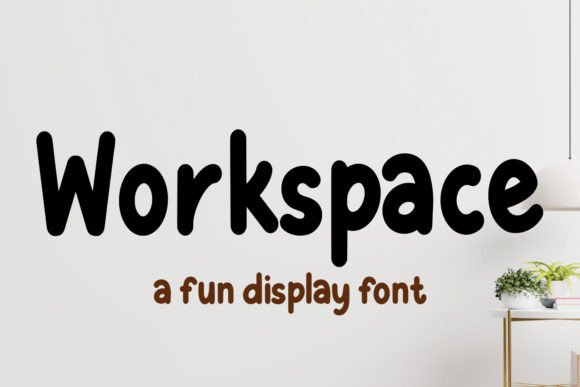
As a designer and embroidery product reviewer, I often find myself evaluating fonts not just for their aesthetic appeal but for how they translate into real-world embroidery projects. Workspace, a cute and tall sans serif font, caught my attention for its clean lines and friendly personality. But does it hold up in practical use? Let’s dive into how Workspace performs in actual embroidery scenarios and what it means for your next project.
First Impressions: A Friendly, Functional Design
From the moment I laid eyes on Workspace, I noticed its cheerful, approachable vibe. The tall, rounded letters give it a soft, inviting feel that leans toward farmhouse, rustic, or casual branding. It doesn’t scream boldness, but it doesn’t shy away from clarity either. The spacing is generous, making it ideal for readability without feeling cramped.
This font feels like it was designed with both simplicity and purpose in mind. It’s not overly ornate, which makes it versatile across different applications. Whether you’re working on a custom tote bag or a baby onesie, Workspace has the potential to fit naturally without overwhelming the design.
Real-World Embroidery Use Cases
Let’s imagine a scenario: You’re tasked with creating a custom embroidered tote bag for a client who runs a small boutique. They want something simple yet stylish—something that can be used for daily carry but still looks polished. Workspace could be a perfect fit here.
On a tote bag, the font’s height and spacing allow it to stand out without needing excessive stitch density. It works well for short phrases or names, and the overall look feels professional enough for commercial use. For a sweatshirt or t-shirt, it adds a touch of personality without being too flashy.
When it comes to baby items, such as onesies or burp cloths, Workspace’s soft appearance is a plus. It’s not too rigid or formal, which aligns well with the gentle, nurturing theme of baby products. However, I’d recommend testing it on different fabric types to ensure the lettering remains clear and legible after stitching.
Where Workspace Shines
Workspace excels in projects where simplicity and clarity are key. It works well for:
- Custom apparel, such as t-shirts, sweatshirts, and caps
- Embroidered patches and applique designs
- Tote bags and shopping bags
- Baby clothes and nursery decor
- Holiday gifts and personalized items
- Small business merchandise and Etsy listings
The font’s structure allows it to work with various stitch types, including satin stitch and fill stitch. Its open counters and smooth curves make it less likely to cause issues with thread tension or fabric puckering. That said, it’s important to pay attention to the design’s scale and adjust the hoop size accordingly.
Areas to Be Cautious With
While Workspace is a great choice for many projects, there are situations where it may not perform as well. For example:
- Small hoop sizes may limit the font’s full visual impact
- Textured fabrics could make the lettering appear less crisp
- Thin or stretchy fabrics might require additional stabilizer support
- Dark fabrics may need a contrasting thread color for visibility
- Curved surfaces like caps or hats can distort the font’s alignment
- Very small lettering or dense stitch areas may lead to legibility issues
If you’re planning to use Workspace on a detailed corner or a complex design, you’ll want to test it first. The font’s simplicity can sometimes be a double-edged sword—it works best when given space to breathe.
How Workspace Affects Visual Appeal and Branding
One of the biggest advantages of Workspace is its ability to enhance the visual appeal of a finished product. Its clean, modern look can elevate handmade items, making them more attractive to customers. For small business owners and Etsy sellers, this can mean a better chance of standing out in a crowded marketplace.
In terms of brand consistency, Workspace offers a reliable option for logos, invitations, and digital product previews. Its friendly tone aligns well with brands that aim for approachability and warmth. However, if your brand leans toward more formal or high-end aesthetics, you may want to consider other options.
Practical Tips for Using Workspace
Here are some notes I’ve gathered from testing similar fonts in real embroidery projects:
- Always test the design on scrap fabric before committing to a final piece
- Check thread color contrast against the fabric background
- Review the stitch density to avoid overcrowding or thinning
- Confirm the hoop size needed for the design’s dimensions
- Inspect small details like corners and curves for accuracy
- Test the design in black and white mockups to see how it translates
- Compare how it looks on light and dark fabric backgrounds
- Use proper stabilizer to prevent puckering or distortion
- Ensure the design is suitable for both personal and commercial use
- Verify licensing before selling finished items or digital products
These steps help ensure that Workspace not only looks good but also functions well in your specific project context.
Final Thoughts: A Solid Choice for Many Projects
Workspace is a font that balances charm with functionality. It’s not the most dramatic or intricate design, but that’s part of its appeal. For embroidery designers and crafters looking for a reliable, easy-to-use font, Workspace can be a valuable addition to your design assets.
Whether you’re creating a custom embroidered patch, a holiday gift, or a small shop product, Workspace has the potential to enhance your work. Just remember to test it thoroughly and consider the specifics of your project before finalizing your design.
As with any machine embroidery design, the success of Workspace depends on how well it’s adapted to your unique needs. With care and attention, it can become a go-to font for a wide range of embroidery projects.