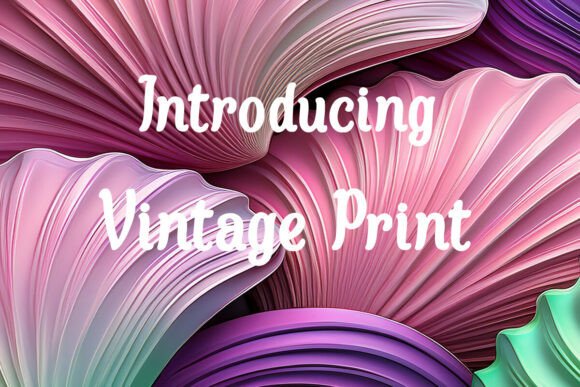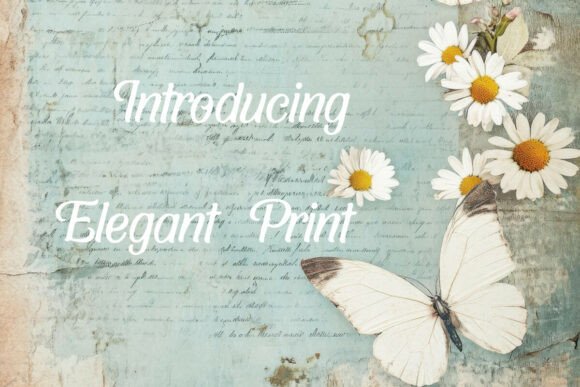
Happy Print: A Joyful Font for Embroidery Projects
As an embroidery designer and product reviewer, I often find myself evaluating fonts that promise to add personality to a project. Happy Print is one such font that caught my attention with its charming, hand-drawn aesthetic. But before jumping into using it on a custom order, I wanted to explore how it performs in real-world scenarios—especially when it comes to machine embroidery design, stitch clarity, and overall visual appeal.
The First Impression: A Touch of Whimsy
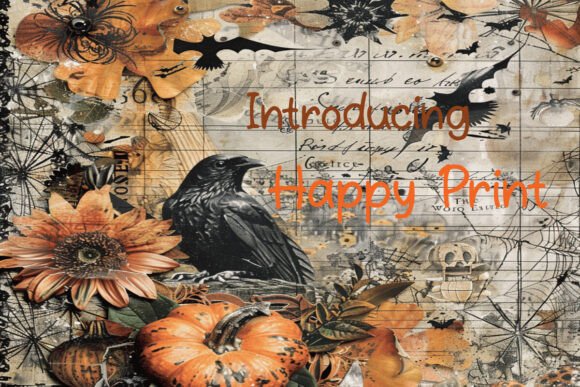
Happy Print immediately evokes a sense of playfulness. Its flowing script and slightly uneven lettering give it a handmade feel, which can be both a strength and a challenge. The font feels like it was designed with care, making it ideal for personalized gifts, baby items, or holiday embroidery. It’s not the most formal option, but that’s part of its charm. It works well for projects that aim to feel warm and inviting rather than strictly professional.
When I first saw the font, I thought of a custom embroidered tote bag for a boutique shop. The design would stand out without being too busy, and the soft curves could complement a variety of fabric textures. However, I also noticed that the details are delicate, which makes me wonder how they’ll hold up in different embroidery situations.
Real-Life Embroidery Scenarios
Testing Happy Print on a sweatshirt embroidery project revealed some key insights. The font worked well on light-colored fabrics, where the stitch density allowed the design to pop without looking too heavy. On darker materials, however, the contrast wasn’t as strong, and I found myself adjusting thread colors to ensure visibility.
For a custom apron design, the font held up nicely, especially when using satin stitch and fill stitch techniques. The flow of the letters didn’t get lost in the stitching, and the overall look felt cohesive. But when I tried it on a small hoop size, like for a cap or a patch, the details became less defined. The tiny loops and flourishes in the letters started to blur, making the design look less refined.
I also considered using Happy Print for a baby item, such as a onesie or a blanket. The font’s softness made it feel appropriate for a nursery, but I had to be careful with the stitch density. Too much filling could make the design stiff, which isn’t ideal for something that will be worn by a child.
Where to Use Carefully
While Happy Print is versatile, there are certain situations where it may not perform as well. On textured fabrics, the font’s delicate details can get lost in the weave, making the design look muddy. Thin or stretchy fabrics also pose a challenge, as the stitches might not sit flat or could pucker over time.
For products that require frequent washing, like kitchen towels or pillow covers, I’d recommend testing the design first. The stitch density and stabilizer use are critical here. If the design is too dense, it might crack or wear out faster. On the other hand, if it’s too light, the letters might fade or become distorted.
Happy Print also needs to be handled carefully on curved surfaces, such as caps or bags. The font’s flow works best on flat, even areas. When applied to a curved surface, the letters can appear stretched or misaligned, which affects the overall look.
Impact on Visual Appeal and Customer Perception
One of the biggest factors in any embroidery project is how the final product looks. Happy Print adds a unique flair that can elevate a handmade product or a custom apparel piece. It gives the finished product a personal touch, which is important for Etsy sellers and small shop owners looking to stand out in a crowded market.
However, the font’s style isn’t universally appealing. Some customers might find it too informal for a professional setting, especially if it’s used on business branding or commercial embroidery projects. That’s why it’s important to consider the target audience before deciding to use it.
From a design perspective, Happy Print also plays a role in brand consistency. If a business uses this font across multiple products, it can create a cohesive look. But if the font is only used occasionally, it might not align with the overall brand identity.
Practical Designer Notes
Before using Happy Print on a client project or a digital product, I always recommend testing it on scrap fabric. This helps identify any issues with stitch density, thread color contrast, or stabilizer use. It’s also a good idea to review the embroidery file for any potential problems, such as overlapping stitches or tight corners.
For those planning to sell finished products, checking the licensing terms is essential. Even if the font is free, there may be restrictions on commercial use or redistribution. Always confirm these details before proceeding.
Finally, don’t forget to test the design in black and white mockups. This helps you see how it will look on different fabric backgrounds and ensures that the design remains legible and visually appealing in all contexts.
Conclusion: A Font That Adds Personality
Happy Print is a font that brings a sense of joy and character to any embroidery project. It’s perfect for handmade products, personalized gifts, and creative entrepreneurs looking to add a unique touch to their work. However, it requires careful consideration when it comes to fabric type, hoop size, and stitch density.
If used appropriately, Happy Print can enhance the visual appeal of a finished product and help build customer trust. But if not handled with care, it can lose its charm and fail to meet expectations. As with any machine embroidery design, the key is to understand its strengths and limitations before committing to a project.