Magicheart: A Handwritten Font for Real Embroidery Projects
As a designer and embroidery product reviewer, I’ve evaluated countless fonts and designs over the years. Magicheart stands out as a unique option that blends charm with practicality. It’s not just another script font—it’s a design that feels personal, almost like it was written by hand for a specific purpose. But how does it hold up in real embroidery projects? Let’s dive into my hands-on experience with this font.
The First Impression: A Warm, Personal Touch
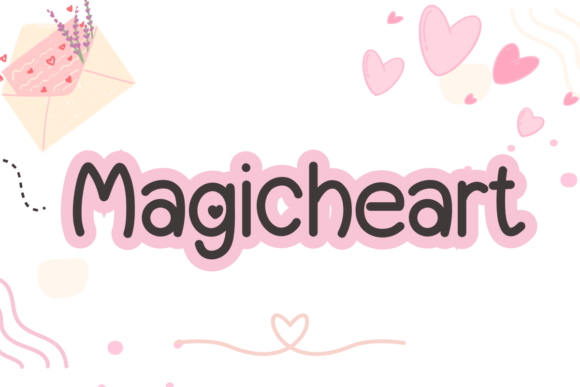
Magicheart immediately conveys a sense of warmth and approachability. The handwriting is neat, consistent, and has a soft, flowing style that feels natural rather than overly stylized. It’s ideal for projects that require a human touch—like personalized gifts, handmade products, or boutique branding. The font doesn’t scream “commercial” but instead whispers “crafted with care.”
Its visual personality makes it perfect for items like embroidered tote bags, baby clothes, or holiday gifts. The detail level is high enough to look elegant but not so intricate that it becomes overwhelming. This balance makes it versatile for both simple and more complex embroidery projects.
Real-World Use: Where Magicheart Shines
I tested Magicheart on a custom embroidered sweatshirt for a client who wanted a subtle yet meaningful message. The font looked great at a medium size, with clear lettering and a soft flow that didn’t feel too rigid. It worked well for a single-line design, where the focus was on the message rather than the typography itself.
For a tote bag design, the font added a nice touch without being too busy. It paired well with a simple background, allowing the text to stand out. When used as an embroidered patch, it maintained its character and didn’t lose definition, even when stitched on a small hoop.
Magicheart also works well for digital product previews and printable mockups. Its clean lines make it easy to visualize in different contexts, whether it’s for a social media post, a digital planner, or a craft business listing. It’s a font that adapts well to various formats without losing its charm.
Where to Be Cautious: Limitations and Considerations
While Magicheart is appealing, it’s not a one-size-fits-all solution. For instance, on textured fabrics or thin materials, the font can sometimes appear less defined. This is especially true if the fabric isn’t stable enough to support the stitching. A proper stabilizer is essential here to prevent distortion.
On dark fabrics, the font may not show up as clearly unless you use a contrasting thread color. I found that using a light-colored thread on a dark background helped enhance visibility without looking out of place. Similarly, on stretchy or lightweight fabrics, the stitches can sometimes pull or pucker, so testing on scrap fabric first is crucial.
When working with smaller hoop sizes, the font can become cramped, making it harder to stitch accurately. If you’re planning to use it on a cap or a curved surface, consider breaking the design into smaller sections or adjusting the size accordingly.
Impact on Visual Appeal and Customer Perception
Magicheart adds a level of personality that many commercial fonts lack. It elevates the visual appeal of a handmade product, making it feel more unique and thoughtful. For an Etsy seller or a small shop owner, this can be a big selling point. Customers often respond positively to designs that feel personal and crafted rather than mass-produced.
From a professional standpoint, using Magicheart can help reinforce brand consistency, especially if your brand relies on a warm, friendly tone. It also enhances the giftability of a product—whether it’s a custom pillow cover, a baby onesie, or a holiday ornament. The font adds a personal touch that makes the item feel more special.
Practical Designer Notes: Testing and Preparation
Before committing to a project, I always recommend testing the design on scrap fabric. This helps identify any issues with stitch density, thread contrast, or fabric compatibility. For Magicheart, I noticed that certain areas with tight curves or small details required careful attention to ensure clarity.
It’s also important to check how the font looks in black and white mockups. Sometimes, a font that looks good on a screen can behave differently when stitched. Comparing it against both light and dark backgrounds can reveal potential visibility issues that need addressing.
If you're planning to sell finished products or digital assets, make sure to review the licensing terms carefully. While Magicheart seems suitable for personal and commercial use, confirming the exact terms will prevent any surprises down the line.
Final Thoughts: A Thoughtful Choice for Creative Projects
Magicheart is a font that feels right for the right projects. It’s not the best choice for every embroidery job, but when used appropriately, it adds a unique, handmade quality that can elevate a product. Whether you're an embroidery designer, a small business owner, or a hobbyist, this font offers a fresh alternative to more standard script styles.
For those looking to add a personal touch to their work, Magicheart is worth considering. Just remember to test it thoroughly, choose the right thread colors, and use proper stabilizers. With the right approach, it can become a valuable addition to your machine embroidery design toolkit.