Working Hours Embroidery Design
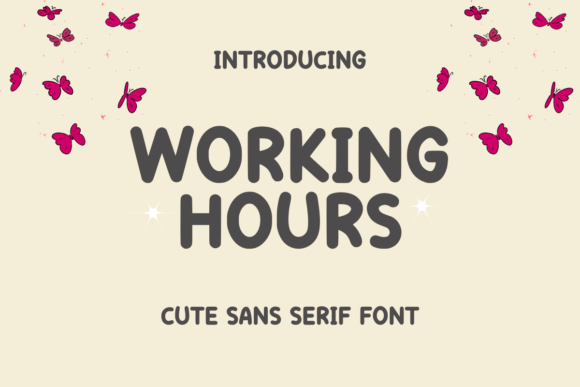
As an embroidery designer and product reviewer, I’ve evaluated countless fonts and designs for real-world use. Working Hours is a cute sans serif font that stands out for its clean, modern aesthetic and versatility across various projects. It’s ideal for anyone looking to add a touch of professionalism and charm to their handmade or commercial work.
The First Impression: A Modern, Playful Mood
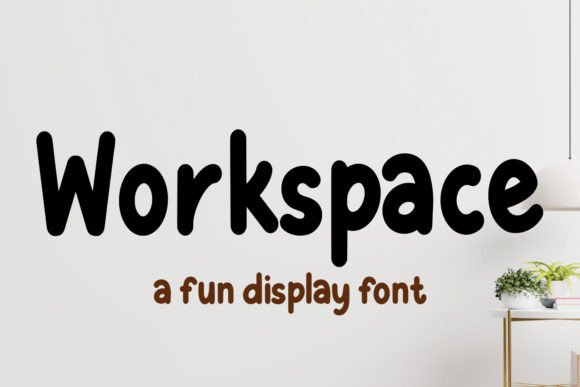
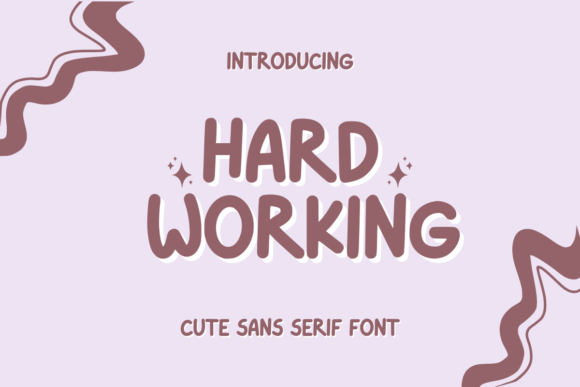
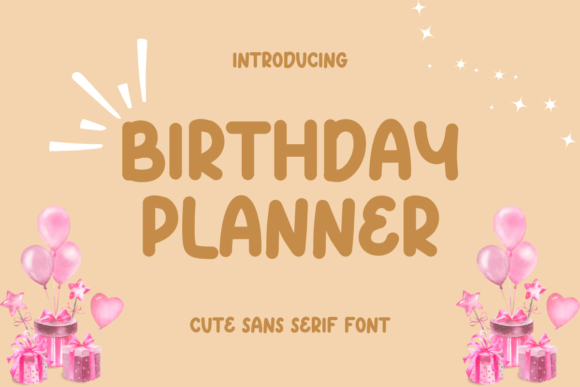
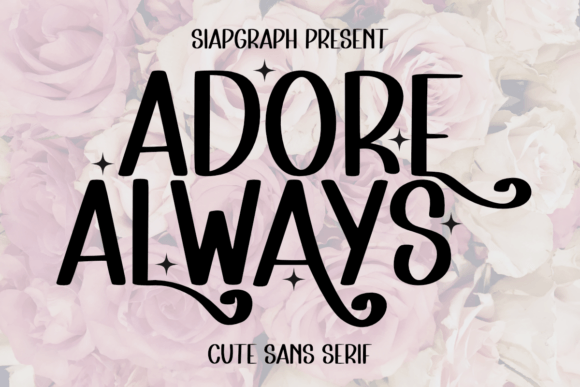
Working Hours immediately gives off a friendly, approachable vibe. Its simple lines and rounded edges make it feel both professional and lighthearted, perfect for projects that need a bit of personality without being too bold. The font feels like it belongs in a cozy workspace, a creative planner, or a stylish tote bag design. It has a subtle elegance that works well with both casual and semi-formal applications.
The layout is balanced and easy on the eyes, making it suitable for long text blocks or short, impactful phrases. The detail level is just right—enough to show character but not so intricate that it becomes difficult to stitch out cleanly.
Real-Life Use: From Tote Bags to Baby Items
I recently used Working Hours for a custom embroidered tote bag design for a client who runs a small eco-friendly shop. The font looked great on a light-colored cotton fabric, and the stitching came out crisp and clear. It worked well for a phrase like “Stay Positive” and added a nice touch to the overall design.
For baby items, such as onesies or burp cloths, the font’s softness makes it feel gentle and safe. It pairs well with pastel colors and can be used in both satin stitch and fill stitch applications. On a thin fabric like muslin, it still held up well, though I recommend using a good stabilizer to prevent puckering.
On darker fabrics, the font maintains its clarity, especially when using contrasting thread colors. For example, white thread on black fabric creates a striking effect that works well for holiday gifts or personalized merchandise.
Where to Be Careful: Limitations and Considerations
While Working Hours is versatile, there are some situations where it may not perform as well. In small hoop sizes, the font can become too cramped, especially if the text is dense. It’s best to avoid using it in tight spaces or on curved surfaces like caps unless you’re willing to adjust the design accordingly.
On textured or stretchy fabrics, the font might lose some definition. I noticed that on a knitted sweatshirt, the letters appeared slightly blurred in areas with heavy stitch density. To avoid this, test the design on similar fabric before committing to a large batch.
For very small lettering, such as in a patch or on a cap, the font may not hold up as well. If you plan to use it in those contexts, consider adjusting the size or opting for a more detailed font.
Impact on Visual Appeal and Customer Perception
Working Hours adds a polished look to any project. It enhances the visual appeal of custom apparel, making it stand out in a crowded market. When used on a tote bag or a sweatshirt, it signals quality and attention to detail, which can increase customer trust and satisfaction.
As an Etsy seller, I know how important it is for a design to look good in both the finished product and the digital mockup. Working Hours works well in printable mockups and digital product previews, giving buyers a clear idea of what they’ll receive. This helps with buyer engagement and reduces the likelihood of returns or complaints.
For small shop products or boutique branding, the font offers consistency and professionalism. It’s a reliable choice for anyone looking to build a cohesive brand identity through their embroidery work.
Practical Designer Notes: Testing and Preparation
Before finalizing any project with Working Hours, I always recommend testing the design on scrap fabric. This helps identify any issues with stitch density, thread color contrast, or fabric compatibility. For example, if you’re using a dark fabric, make sure the thread color provides enough contrast to make the text readable.
Check the hoop size required for your machine. If the design is too large for your current hoop, consider resizing it or splitting it into sections. Also, pay close attention to small details like corners and curves, as these can sometimes cause problems during stitching.
Use the proper stabilizer for the fabric you’re working with. This ensures that the design stays in place and looks neat after washing. For commercial projects, confirm the licensing terms to make sure you’re allowed to sell finished items or digital products featuring Working Hours.
Conclusion: A Reliable Choice for Creative Projects
Working Hours is a solid addition to any embroidery designer’s toolkit. It’s a cute, modern font that works well across a wide range of applications, from custom apparel to personalized gifts. While it has some limitations in specific scenarios, its overall performance and aesthetic make it a valuable asset for small business owners, crafters, and handmade shop owners.
Whether you’re creating a tote bag design, a baby item, or a holiday gift, Working Hours offers the right balance of style and functionality. With proper testing and preparation, it can elevate your embroidery projects and help you stand out in a competitive market.